
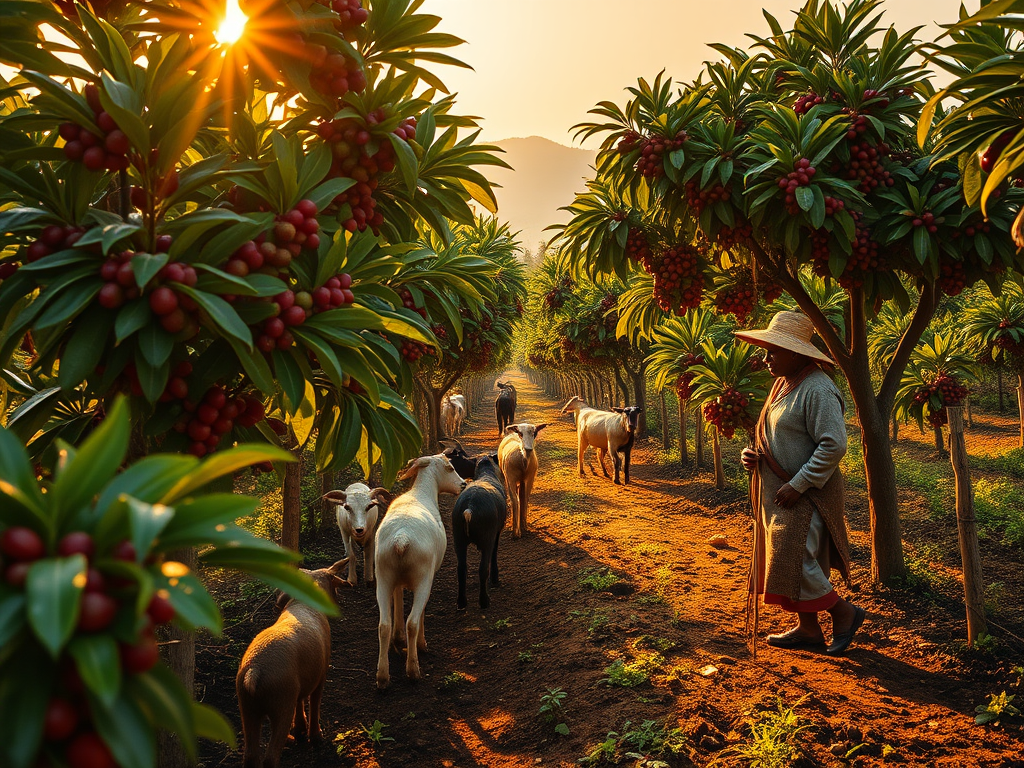
Coffee is known to be among the most popular beverages globally, as it has a crucial role in the global economy. Coffee has a wide range of associations linked to its origins, major production areas, and global trade.
The Origin of Coffee
The origin of coffee is thought to be Ethiopia, located in the East African region. It is recorded that coffee plants were initially discovered growing in the Ethiopian highlands, and it was realized that whenever the goats in the region ate coffee fruits, they became lively. Later, coffee was cultivated and traded in the region of the Arabian Peninsula, particularly in the country of Yemen, during the 15th century. Subsequently, coffee was distributed to other regions, such as Europe, Asia, and the Americas, as a result of exploration and colonization.
Main Coffee-Producing Areas
Today, coffee is produced in a tropical area between the Tropic of Cancer and the Tropic of Capricorn. This area is referred to as the “Coffee Belt.” This is because the climate of the region is ideal, as it needs a warm climate, rainfall, and high soil organic matter.
Some of the world’s biggest coffee producers are Brazil, Vietnam, Colombia, and Ethiopia. Brazil is the biggest coffee producer in the world; it mainly produces Arabica coffee. It mainly grows coffee on a plantation. The second-biggest coffee producer in the world is Vietnam; it mainly produces Robusta coffee. It is usually used in instant coffee. Colombia is famous for producing the highest quality Arabica coffee. It is grown in the mountains. Ethiopia is the birthplace of coffee; it still produces coffee using traditional methods.
The majority of coffee-producing nations are development countries, particularly in Africa, Latin America, and the Southeast Asia regions. In these countries, the growth of coffee is a source of employment for many small-scale farmers.
Coffee Trade and Global Influence
Coffee is one of the leading trade commodities in the world. Although the coffee is mainly cultivated in developing nations, the primary coffee consumer nations are developed countries such as the USA, Germany, and Japan. This means that there is a world trade chain for coffee, in which the coffee beans are first exported to the countries for roasting and selling at a high price.
Nevertheless, this trade pattern also presents some difficulties. The coffee grower realizes a small part of the profit when the coffee reaches the market; and the bigger international corporations benefit more when they process and market it. Furthermore, the price of coffee may vary depending on factors like global demand and environmental changes.
Solutions to these challenges have been sought in models like sustainable coffee production. The objective is to offer farmers better prices, improve work conditions, and protect the environment.
Conclusion
In conclusion, coffee had a long history, which started in Ethiopia and then grew to span the whole world. Its manufacturing process is associated with geography, particularly the climate, while its trade is related to the existence of distinction between countries during the process and development related to economics.
 Yunnan Coffee Impacts
Leave a comment